Project overview

Over the years, Cascadia has designed and led many campaigns to protect Seattle’s sewer systems and water resources using a variety of approaches related to F.O.G., stormwater pollution prevention, and vehicle leak maintenance.  Most recently, Cascadia’s efforts have focused on a slightly more personal impact: flushed unflushables.  

Approach and impact

For this trickiest of behavior change challenges, we take a CBSM approach by defining our key audiences, identifying the unique (and sometimes surprising) reasons behind each audience’s choices, developing targeted approaches to address those reasons directly with information, solutions, and incentives, testing those strategies in focused environments, and then implementing them on a larger scale across the broader, multicultural community.

For example, we conducted surveys and interviews with four potentially high-impact audiences based on identified “clog hotspot” areas, where flushed debris were creating repeat clogging issues for onsite sewer systems. Based on this research we learned that residents of larger multifamily complexes near local university campuses were flushing wipes most frequently of any group studied.

We designed and conducted follow-up research with representative groups of students to begin co-designing a campaign toolkit in partnership with four local universities. The campaign included stall posters, door hangers, and ads on social media, Spotify, and YouTube. Post-campaign surveys revealed a nearly 20% decrease in undesirable flushing behavior across the four universities, which is projected to substantially reduce clogs in the sewer system.

Cascadia is also using the outcomes from this campaign to inform our broader citywide drainage and wastewater outreach, where we conduct multicultural outreach and engagement with 3,000+ residents and 300+ businesses a year.
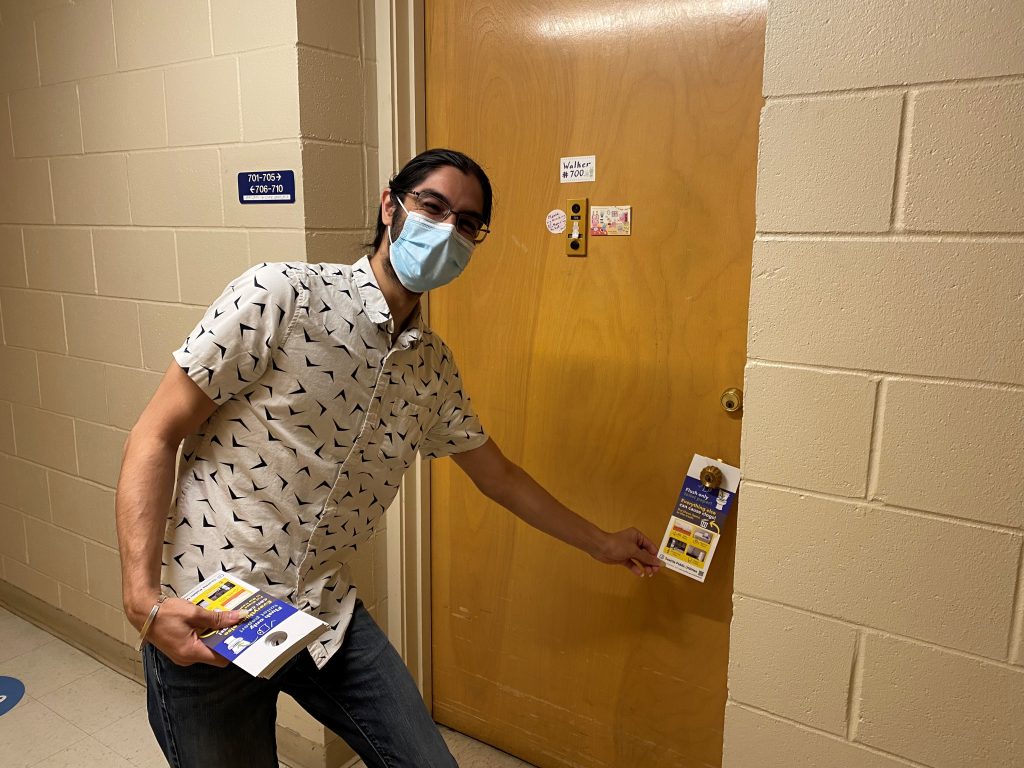
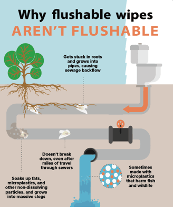
We worked to implement an effective CBSM wastewater campaign... in the bathroom.

Explore more projects

Getting More Value from Your Waste Characterization Study

Waste characterization studies provide critical information for planning waste reduction and diversion efforts—but budgets are tight and it may feel like collecting enough data for high-quality insights is out of reach. Drawing on more than 30 years of waste characterization experience, Cascadia shares four ways thoughtful study design can

Helping Los Altos Businesses Put Organics Requirements into Practice

What does it take to turn statewide organics requirements into practices that work for local businesses and residents? Since 2024, Cascadia has partnered with the City of Los Altos and Mission Trail Waste Systems to provide hands-on outreach and technical assistance—and annual visits are showing signs of lasting progress.

Helping King County Residents Get Wildfire Ready

Wildfire happens in Western Washington—and preparation can make a difference. Cascadia worked with King County and regional wildfire experts to transform technical guidance into a locally tailored, user-tested toolkit that helps residents understand their risk and take practical steps to prepare their homes and households.

Mapping Municipal Solid Waste for Biofuel Potential

Cascadia was contracted by the U.S. Department of Energy to lead a multi-year effort to evaluate municipal solid waste (MSW) as a potential feedstock for nationwide biofuel production. Through field sampling, laboratory coordination, and analysis, the project is helping build a clearer picture of how existing materials management systems

Accelerating Preparedness with Community Resilience Hubs

A FEMA-funded regional pilot is reshaping how communities prepare for disasters across Puget Sound. By centering community leadership and investing in local capacity, Cascadia supported the collaborative design of resilience hubs that reflect local knowledge, strengthen connections, and expand access to critical resources in times of crisis.

Environmental Justice Assessment for the 2026-2030 PSP Action Agenda

Cascadia led the Environmental Justice Assessment for the Puget Sound Partnership’s 2026–2030 Action Agenda, engaging Tribes and community-based organizations across Puget Sound. This Assessment is required by Washington State’s HEAL Act, and engagement shaped dozens of new and revised strategies guiding Puget Sound recovery.