Project overview
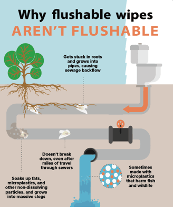
Over the years, Cascadia has designed and led many campaigns to protect Seattle’s sewer systems and water resources using a variety of approaches related to F.O.G., stormwater pollution prevention, and vehicle leak maintenance. Most recently, Cascadia’s efforts have focused on a slightly more personal impact: flushed unflushables.
Approach and impact
For this trickiest of behavior change challenges, we take a CBSM approach by defining our key audiences, identifying the unique (and sometimes surprising) reasons behind each audience’s choices, developing targeted approaches to address those reasons directly with information, solutions, and incentives, testing those strategies in focused environments, and then implementing them on a larger scale across the broader, multicultural community.
For example, we conducted surveys and interviews with four potentially high-impact audiences based on identified “clog hotspot” areas, where flushed debris were creating repeat clogging issues for onsite sewer systems. Based on this research we learned that residents of larger multifamily complexes near local university campuses were flushing wipes most frequently of any group studied.
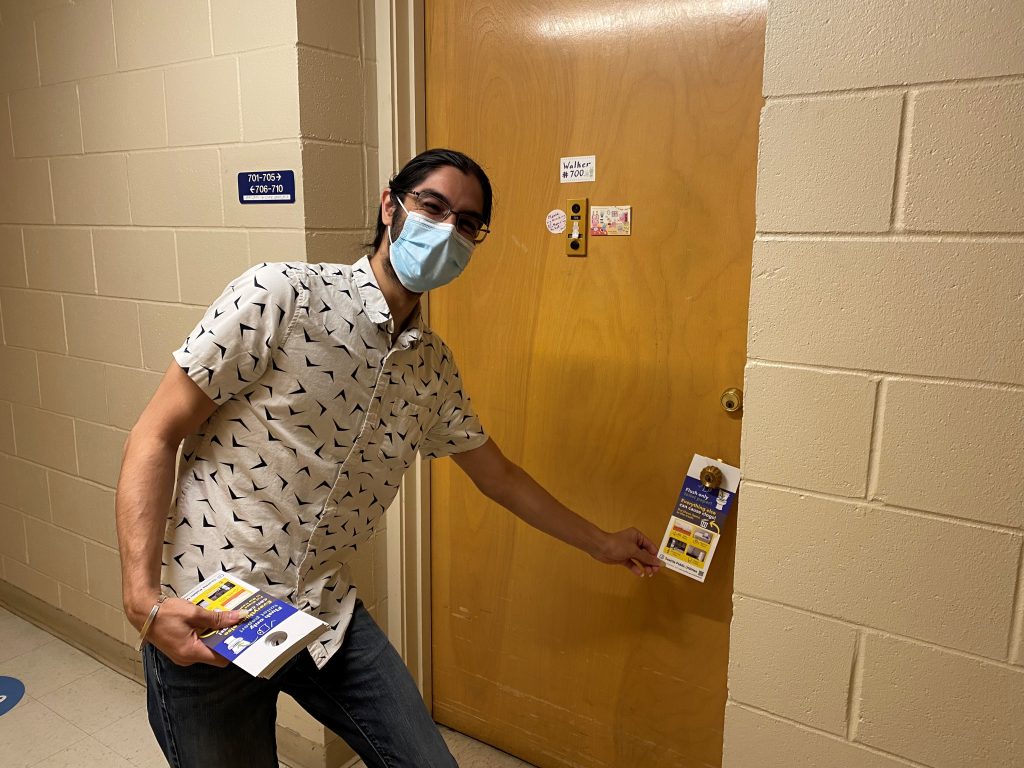
We designed and conducted follow-up research with representative groups of students to begin co-designing a campaign toolkit in partnership with four local universities. The campaign included stall posters, door hangers, and ads on social media, Spotify, and YouTube. Post-campaign surveys revealed a nearly 20% decrease in undesirable flushing behavior across the four universities, which is projected to substantially reduce clogs in the sewer system.
Cascadia is also using the outcomes from this campaign to inform our broader citywide drainage and wastewater outreach, where we conduct multicultural outreach and engagement with 3,000+ residents and 300+ businesses a year.